

We’re starting in 2025 with the adoption of three projects. Each project is an experiment: they don’t offer finished answers, but test new ways of knowing, relating, and making sense together.The first project we started is the scientific journal Futures Reframed: an open-access, peer-reviewed platform for futures thinking, anticipation studies, and futures anthropology. The journal has a double ambition. It opens space for experimental research in our respective fields and it challenges the norms of academic publishing itself. Futures Reframed sets out to show how science can be done differently: more open, imaginative and engaged. Next projects will be announced soon.
Futures Reframed Open Journal
Editors in Chief

Dr. Roanne van Voorst
Editor in Chief
University of Amsterdam (Assistant Professor in Futures-Anthropology)

Dr. Tessa Cramer
Editor in Chief
Fontys Applied Sciences (Professor Designing the Future)
Editorial board
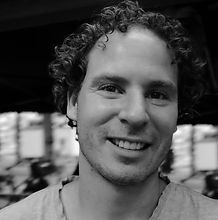
Andrew James Segrave
Editorial board
KWR Water Research Institute (Futuresresearch and planning)

Joost Vervoort
Editorial board
Utrecht University (Associate Professor of Transformative Imagination in the Environmental Governance Group at the Copernicus Institute of Sustainable Development)

Jitske Gulmans
Editorial board
Hanze UNESCO chair Futures Literacy (Senior researcher & Lecturer

Natashe Lemos Dekker
Editorial board
University of Amsterdam (Cultural and Medical/Psychological Anthropologist of aging, palliative care, death and time)

Suzan van 't Klooster
Editorial board
Savia (Senior advisor foresight & decision-making under deep uncertainty)

Seminar series: the Future of Science - How Could Science Otherwise Be?
Science, at its best, is a collective act of curiosity - a way of staying open to the unknown. Yet, to the frustration and concern of many academics, many of our current research structures reward speed, output, and competition rather than wonder, collaboration, and care. The question we wish to explore is not what went wrong, but rather: how could science otherwise be?
This seminar series invites scholars, students, and practitioners from across disciplines to gather around that question - not to lament what is broken, but to learn from what already works, and to experiment with new forms of knowing, collaborating and publishing.
We organize these seminars in collaboration with the Institute for Advanced Study at the University of Amsterdam. Dates will be announced soon.
More information will be published early February 2026.